Sonali: jute-derived material We match this jute-derived material to each intended use.
We welcome enquiries from Japanese companies and local governments about sourcing, product planning and joint trials for Sonali, a material made from jute-derived cellulose.
Why SonaliWhy we work on Sonali
The Earth is one place, and it is where all of us belong. Because we share the Earth, we can make places to belong in many parts of it without being tied to a single location.
The Earth now faces many challenges, including environmental problems, problems caused by plastic, population growth and greenhouse gases. Among these, we are deeply concerned that plastic is polluting the Earth and damaging its environment.
Our Sonali business is one of the ways we work to protect the places where people, animals and many other things belong.
About SonaliWhat Sonali is
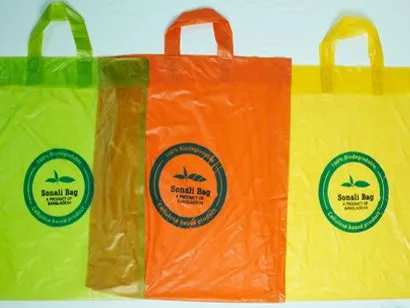
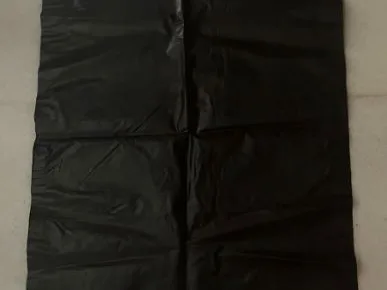
Sonali is a material made from jute-derived cellulose. It was developed in Bangladesh and has attracted international attention as an alternative to conventional polythene bags. It is also known as the “golden bag” or “jute polymer”.
Research involving the developer has reported that the material degrades, but how degradation progresses depends on the environment and the conditions of use. Before adoption, we check its performance and handling conditions for the intended application.
DeveloperThe developer and the background to the development
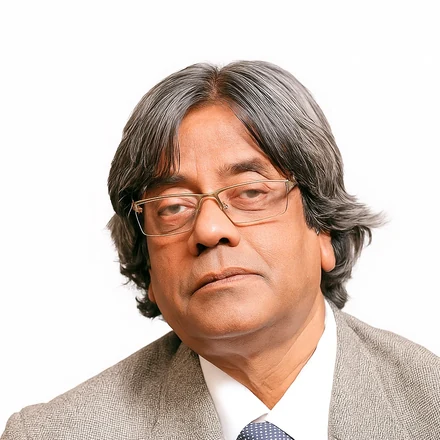
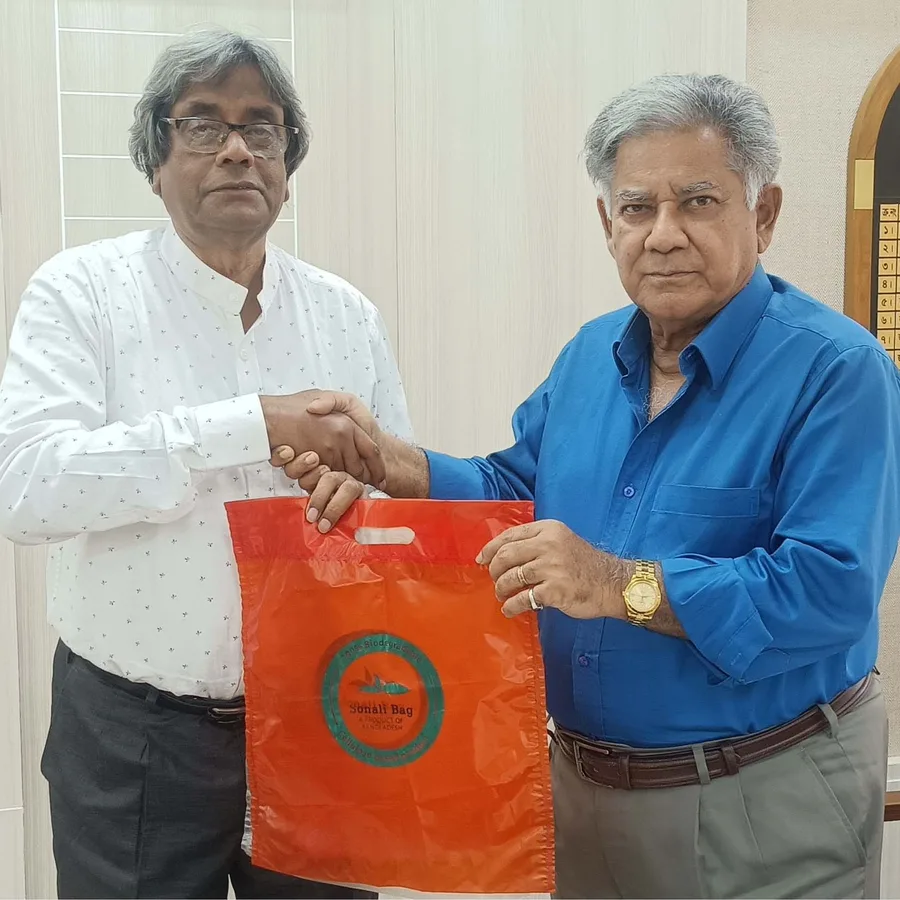
Sonali is a material developed by the Bangladeshi scientist Dr Mubarak Ahmad Khan. In 2024, Dr Khan received the Independence Day Award, the highest state award given to civilians in Bangladesh.
Dr Mubarak Ahmad Khan is an official partner of UNPLACED Inc.
After serving as Director General of the Bangladesh Atomic Energy Commission, Dr Khan has continued the development since 2017 as Scientific Adviser to the Bangladesh Jute Mills Corporation (BJMC). Polyethylene bags have been banned in Bangladesh since 2002, and he focused on cellulose from jute, a crop widely grown in the country, as a material to replace them.
Trial production began in 2017 at the state-owned Latif Bawany Jute Mills, and about 100 million taka from the Bangladesh Climate Change Trust Fund has been allocated to research and development.
Major awards
- 2010Bangladesh Academy of Sciences Gold Medal
- 2017Federation of Asian Chemical Societies (FACS) Award
- 2017National Jute Award
- 2019National Environment Award, Gold Medal
- 2020Selected by MIT Solve (Massachusetts Institute of Technology): biodegradable protective clothing made with Dr Khan’s jute material
- 2024Independence Day Award
- Selected for the Asian Scientist 100, a list of 100 people chosen by the Asian science magazine Asian Scientist
Career
- 1984Joined the Bangladesh Atomic Energy Commission as a scientific officer and began research in radiation and polymer chemistry
- 2009–2015Director, Institute of Radiation and Polymer Technology, Bangladesh Atomic Energy Commission
- 2015–2017Director General, Bangladesh Atomic Energy Commission
- 2017–Scientific Adviser, Bangladesh Jute Mills Corporation (BJMC)
- 2019Elected Fellow of the Bangladesh Academy of Sciences
- Part-time Professor, Department of Nuclear Engineering, University of Dhaka
- Fellow, International Union of Pure and Applied Chemistry (IUPAC)
- Research fellow and visiting professor at universities and research institutes in Germany, Japan, the United States and Australia
Research record
According to his Bangladesh Academy of Sciences profile, Dr Khan has authored or co-authored more than 600 publications, including 21 book chapters and three patents. The profile also reports that he has supervised more than 300 master’s students and 22 doctoral students.
AboutWhat biodegradable plastic is
Biodegradable plastic is the general term for plastics that break down into water and carbon dioxide through the action of microorganisms. This is a different perspective from “biomass plastic”, which refers to whether the raw material is plant-derived, and the two are often confused.
The conditions under which these plastics break down also differ by material. Some break down only in industrial composting facilities (high temperature and high humidity), while others break down in natural water or soil. When deciding on an application, it is easier to choose a material if you first decide whether the item will be collected and treated, or will remain where it is used.
The differences between types and how to choose between them are explained in our column “Types of bioplastics and how to choose them: the difference between biodegradable and biomass plastics” (in Japanese).
SonaliHow Sonali is positioned
A material made from jute-derived cellulose
- The raw material is cellulose derived from jute.
- Research involving the developer has reported that the material degrades in soil.
- How degradation progresses depends on composition, thickness and environment, so each product needs to be checked.
- We check the possible storage period and the temperature and humidity conditions according to the product specifications.
At present, we have not commissioned third-party testing of the products we handle. We present research information from the developer separately from what we have been able to confirm about our products.
ProcessFrom jute to bags
The raw material of Sonali is cellulose extracted from jute fibre.
Jute contains about 70% cellulose and can be harvested about three to four months after sowing. Production follows the steps below.
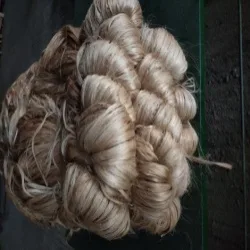 01
Jute fibre
Harvested jute fibre is broken down into fine pieces.
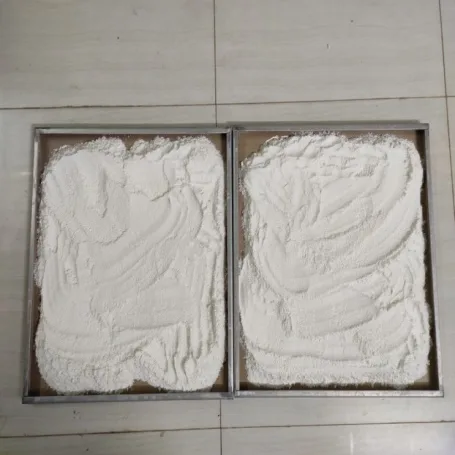 02
Extracting cellulose
Cellulose is extracted from the fibre and processed into a water-soluble form.
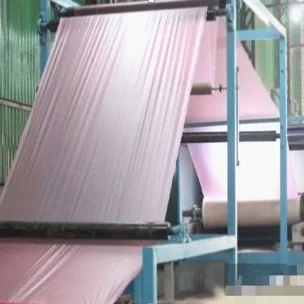 03
Forming film
The cellulose solution is spread thinly and formed into film.
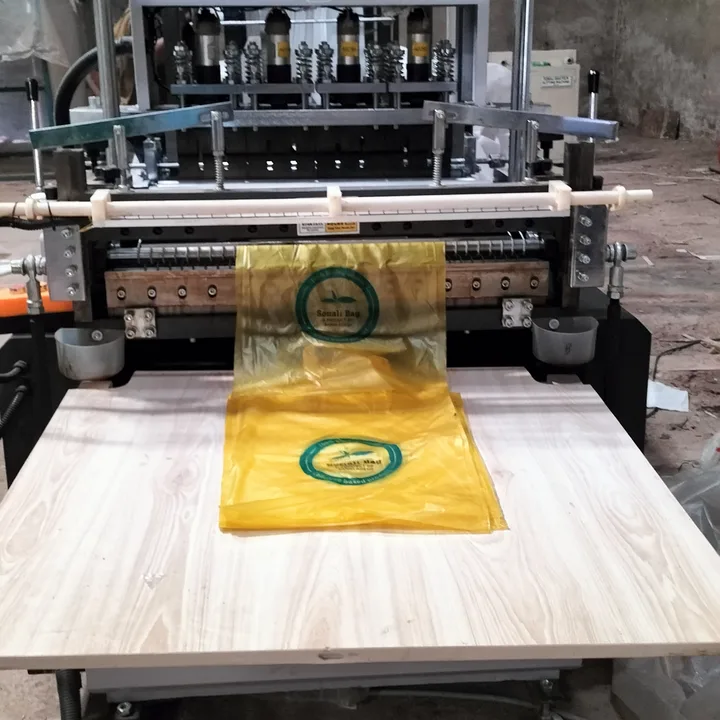 04
Making bags
The film is printed and made into bags on a bag-making machine.
The photos show production facilities in Bangladesh.
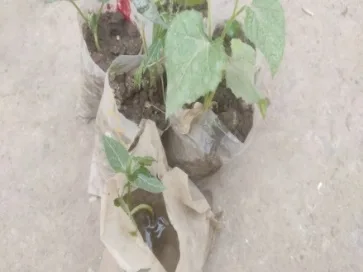
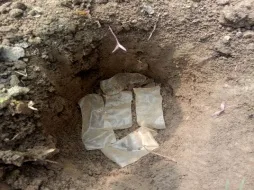
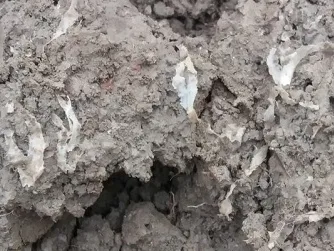
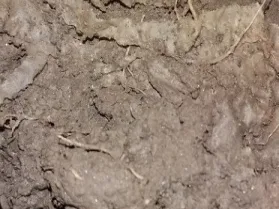
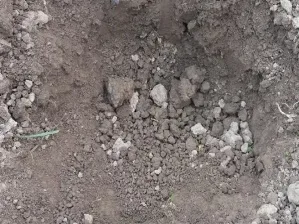
ObservationSoil burial observation by Dr Mubarak Ahmad Khan
The photos below record the progress of Sonali bags buried in soil.
This record does not show that the products we handle will degrade within the same period.
How degradation progresses depends on composition, thickness and environment.
UseHow we proceed with evaluation
Decide based on the application
- Envisaged applications include bags and packaging, agricultural and fisheries materials, and novelty and environmental education items.
- We check the product specifications and processing conditions to determine whether the material can be used with your existing equipment.
- You can start with samples. Testing them on the equipment you actually use is the most reliable way to confirm suitability.
- We check whether collection and disposal are needed and what they cost, and compare options by the total cost from adoption through to treatment after use.
Please contact us to discuss joint trials with local governments and companies.
ExamplesApplication examples developed by Dr Mubarak Ahmad Khan
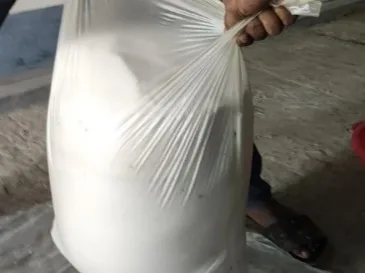
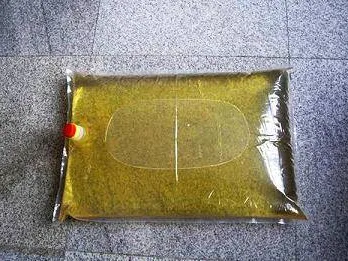
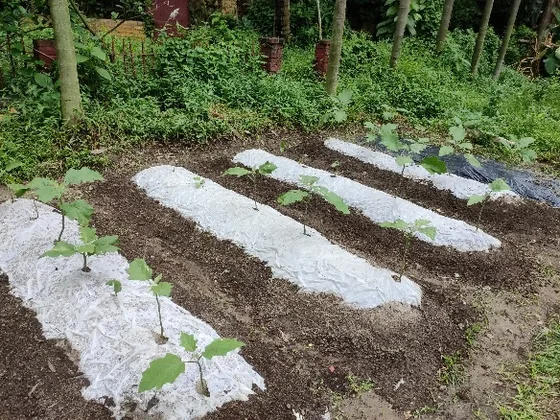
Beyond bags, uses such as packaging and agricultural materials are being prototyped.
The photos show examples developed by Dr Mubarak Ahmad Khan, and we do not handle all of them.
If there is a product you would like to use, please contact us.